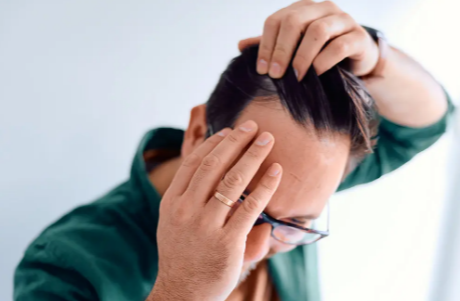
If you are wondering whether GLP 1 medications cause hair loss, the short answer is that current evidence does not strongly support a direct link. However, individual experiences vary, and multiple factors can influence hair health during treatment. This article offers a practical checklist for understanding and evaluating concerns about GLP 1 hair loss, helping you make informed decisions in 2026.
Understanding GLP 1 and Its Typical Side Effects
GLP 1 medications, often prescribed to support blood sugar regulation and weight management, work by mimicking a natural gut hormone. Common side effects tend to involve digestive symptoms such as nausea or mild gastrointestinal discomfort. Hair loss is not commonly listed among their primary side effects in clinical trials or official prescribing information.
That said, medication responses are highly individual. Some users report changes in hair texture or shedding while using GLP 1 drugs, but these reports are mostly anecdotal and lack clear causation. Hair loss can be influenced by stress, nutritional changes, or underlying health conditions, all of which may coincide with starting new treatments.
Factors That Could Confound GLP 1 Hair Loss Concerns
If hair loss occurs during GLP 1 therapy, it is important to consider other potential contributors:
– Nutritional status: Changes in appetite or diet may result in vitamin or mineral deficiencies that affect hair growth.
– Hormonal fluctuations: Weight loss or metabolic shifts can alter hormone levels, indirectly impacting hair.
– Stress and lifestyle: Starting new medications can be stressful, and stress itself can trigger hair shedding.
– Underlying health: Conditions such as thyroid disorders or autoimmune issues may independently cause hair loss.
Taking time to evaluate these factors helps avoid misattributing hair loss solely to GLP 1 medications.
A Practical Evaluation Framework for GLP 1 Hair Loss
When concerned about hair loss linked to GLP 1 therapy, consider the following steps:
1. Document Timing and Pattern: Note when hair changes began relative to medication start and whether shedding follows typical patterns such as diffuse thinning or localized patches.
2. Review Diet and Nutrition: Assess whether appetite or food intake has changed significantly, and consider nutrient levels such as iron, zinc, and biotin with a healthcare provider.
3. Monitor Stress Levels: Reflect on recent life stressors that might contribute to hair shedding.
4. Consult Healthcare Professionals: Seek evaluation to rule out other causes like thyroid dysfunction or scalp conditions.
5. Consider Medication Alternatives or Adjustments: If concerns persist, discuss possible adjustments with prescribing clinicians, ensuring benefits and risks are weighed.
6. Track Progress Over Time: Hair cycles are slow, so improvements or worsening may take several months to become apparent.
This framework emphasizes a holistic approach rather than attributing hair concerns solely to GLP 1 use.
Current Research and Knowledge Gaps
Scientific literature on GLP 1 hair loss remains limited and inconclusive. Most controlled studies do not identify hair loss as a common side effect, but post-market surveillance and patient reports highlight the need for continued observation.
Until more robust data emerges, individuals experiencing hair loss should explore comprehensive evaluations and not rely on assumptions. Awareness of this knowledge gap underscores the importance of transparent conversations with healthcare providers.
Where to Find Reliable Information on GLP 1 Hair Loss
Given the mixed information online, seek resources that balance scientific data with practical advice. The the comparison source guide offers an in-depth look at current understanding around GLP 1 hair loss, detailing what is known and what requires further study. This guide can help you navigate concerns with clarity and confidence.
Short FAQ
Does GLP 1 medication cause hair loss in everyone?
No. Hair loss is not a commonly reported side effect and does not occur in most users.
How can I tell if my hair loss is related to GLP 1 or another cause?
Consider timing, diet, stress, and underlying conditions, and consult with a healthcare provider for a thorough assessment.
Are there ways to mitigate hair loss while using GLP 1 drugs?
Addressing nutritional deficiencies, managing stress, and ensuring overall health support can help maintain hair health.
Final Note
This article provides informational guidance based on current evidence and is not a substitute for professional medical advice. Always consult healthcare professionals before making decisions about medications or hair health concerns.
For a detailed and balanced perspective on this topic, consider reading the FormBlends guide on the relationship between GLP 1 and hair loss.