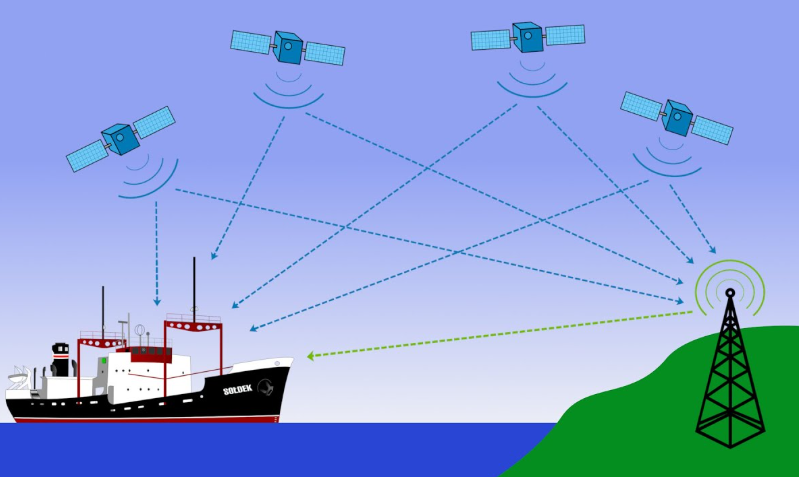
GPS technology relies on a sophisticated system of satellites orbiting the Earth. These satellites transmit radio signals that are captured by GPS receivers. By measuring the time it takes for these signals to arrive, the receivers can determine their precise location through a process known as triangulation. This intricate method underpins a variety of applications. Understanding the components and processes involved reveals more about its significance in modern society.
The Components of GPS Technology
The intricate system of Global Positioning System (GPS) technology relies on several key components that work in harmony to provide accurate location data.
Central to this system are satellite networks, which transmit signals from space, and various receiver types that interpret these signals on Earth.
Together, they empower users with precise navigation capabilities, promoting a sense of freedom in exploration and connectivity.
See als: irishbreakingnews
How GPS Signals Are Transmitted
Numerous satellites orbit the Earth, each continuously transmitting radio signals that carry vital information for GPS receivers.
This transmission relies on GPS signal propagation, ensuring that signals travel through the atmosphere with minimal interference.
Satellite communication enables precise location determination, as receivers decode these signals to ascertain their position.
This seamless exchange empowers users to navigate freely and confidently across diverse terrains.
The Process of Triangulation
Utilizing the signals transmitted by satellites, the process of triangulation allows GPS receivers to determine their precise location on Earth.
Applications of GPS Technology
GPS technology has transformed various sectors by providing accurate location services that enhance efficiency and safety.
Its applications are vast, including navigation systems for drivers, location tracking for personal safety, and emergency services that respond swiftly.
In agriculture, it aids in precision farming, while mapping solutions and fleet management optimize logistics.
Additionally, fitness tracking and outdoor recreation benefit significantly from GPS capabilities.
Conclusion
In conclusion, GPS technology is a remarkable achievement that has transformed navigation and positioning across various sectors. With over 30 satellites providing global coverage, it’s fascinating to note that GPS accuracy can reach within 1 meter under ideal conditions. This precision is not only vital for everyday users but also for industries such as agriculture and emergency services, showcasing the profound impact of GPS on modern life. As technology advances, its applications are likely to expand even further.